

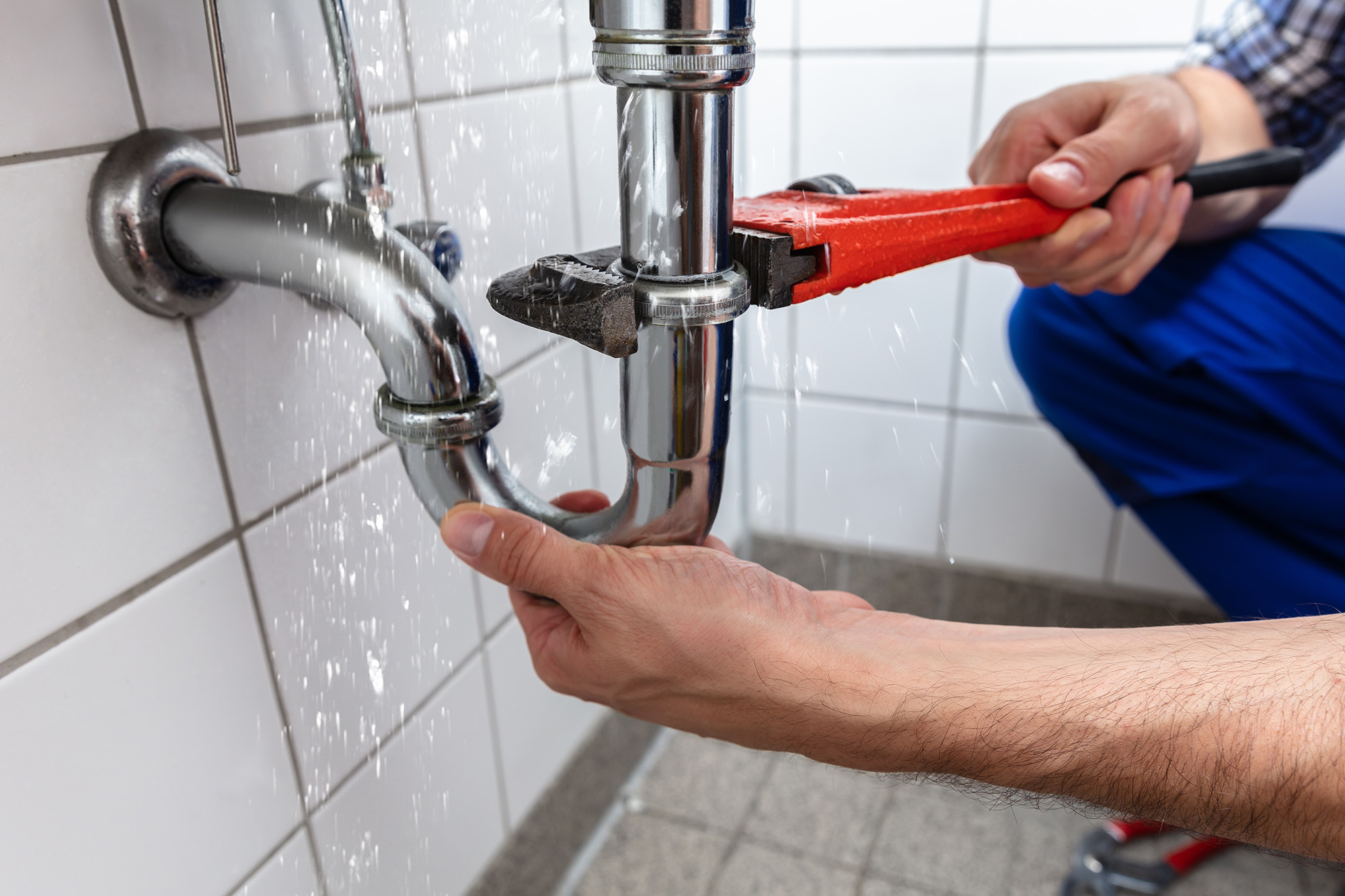
A bathroom remodel can look simple from the outside. New tile, a better vanity, a larger shower, cleaner lighting, and suddenly the space feels new again. But the moment a sink, toilet, shower valve, or drain moves, the project shifts from cosmetic remodeling into mechanical planning.
That does not mean moving plumbing is always a bad idea. In many bathrooms, it is the right decision. The problem is that homeowners often budget for visible finishes while underestimating what has to happen behind the wall, under the floor, or inside the slab. At General American Services, plumbing layout is one of the first things that should be reviewed before finalizing a bathroom design.
Why moving plumbing changes the scope
Plumbing is not just the fixture you see. A vanity faucet connects to hot and cold supply lines, shutoff valves, drain piping, venting, and wall clearances. A shower depends on the valve location, water line routing, drain position, waterproofing, slope, and access. A toilet is even less flexible because the waste line, flange location, and required clearance around the bowl all have to work together.
In Central Florida homes, slab foundations can make plumbing relocation more involved. Moving a drain may require cutting concrete, trenching, adjusting pipe slope, patching the slab, and coordinating the new waterproofing or flooring above it. That is why two bathrooms with similar square footage can have very different remodeling costs.
The most expensive fixtures to move
A vanity is usually the easiest fixture to shift, especially if it stays on the same wall and the drain can remain close to the original location. The cost increases when the vanity moves to another wall, changes from single to double sinks, or requires rerouting water lines around framing, electrical, or cabinetry.
A shower or toilet move is usually more involved. Shower drains need correct slope so water flows properly, and toilet drains need a precise waste line location. Moving a toilet even a small distance can affect floor cutting, venting, framing, and finished flooring. This is where a “small layout change” can quietly become a much larger job.
What homeowners often forget to budget for
The hidden cost is rarely one single line item. It is usually a chain reaction. Move the plumbing, and the wall may need to be opened. Open the wall, and old framing or moisture damage may show up. Shift the shower drain, and the floor slope may need to be rebuilt. Move a vanity, and the mirror, lighting, outlets, and medicine storage may all need to be repositioned too.
There may also be permit, inspection, and trade coordination considerations depending on the scope. A good remodel plan should account for plumbing work, wall repair, waterproofing, tile prep, cabinetry fit, electrical coordination, and finish restoration. When these are treated separately, the budget starts leaking at the seams.
When moving plumbing is worth it
Moving plumbing can be worth it when the existing layout truly does not work. Examples include a cramped toilet location, a shower that is too small to use comfortably, a vanity that blocks traffic, or a tub-shower combo that needs to become a larger walk-in shower. In these cases, keeping the old layout may save money upfront but preserve the same daily frustration.
The key is to compare the cost of moving plumbing against the functional gain. If moving a shower drain creates a safer, better-sloped, more comfortable shower, it may be a smart investment. If moving a vanity six inches only improves symmetry, the money may be better spent on storage, lighting, ventilation, or better materials.
How to control the cost before demolition
The best way to control plumbing costs is to plan the mechanical layout before choosing final tile, fixtures, and cabinetry. Measurements should include drain centers, toilet clearances, valve locations, vanity depth, mirror height, outlet placement, and door swings. A bathroom can look beautiful in a mood board and still fail in real use if these details are not coordinated.
Homeowners should also ask what can stay in place without compromising the design. Sometimes a vanity can be upgraded without moving the drain. A shower can often be enlarged while keeping the valve wall. A better cabinet configuration can solve storage problems without relocating plumbing. Good remodeling is not about moving everything. It is about moving the right things.
If your bathroom layout feels outdated, cramped, or awkward, plumbing relocation may be part of the solution. But it should be planned carefully, not discovered halfway through demolition. General American Services helps homeowners review the real mechanical scope behind bathroom remodels so the finished space works beautifully and technically.
For bathroom remodeling in all of Central Florida, including Winter Park, Maitland, Lake Mary, Heathrow, Oviedo, Longwood, Altamonte, Winter Springs, and the surrounding areas of Seminole and Orange County, contact us to discuss your project. A buyer-ready remodel starts with clear planning, practical layout decisions, and a team that understands what is happening behind the walls.