

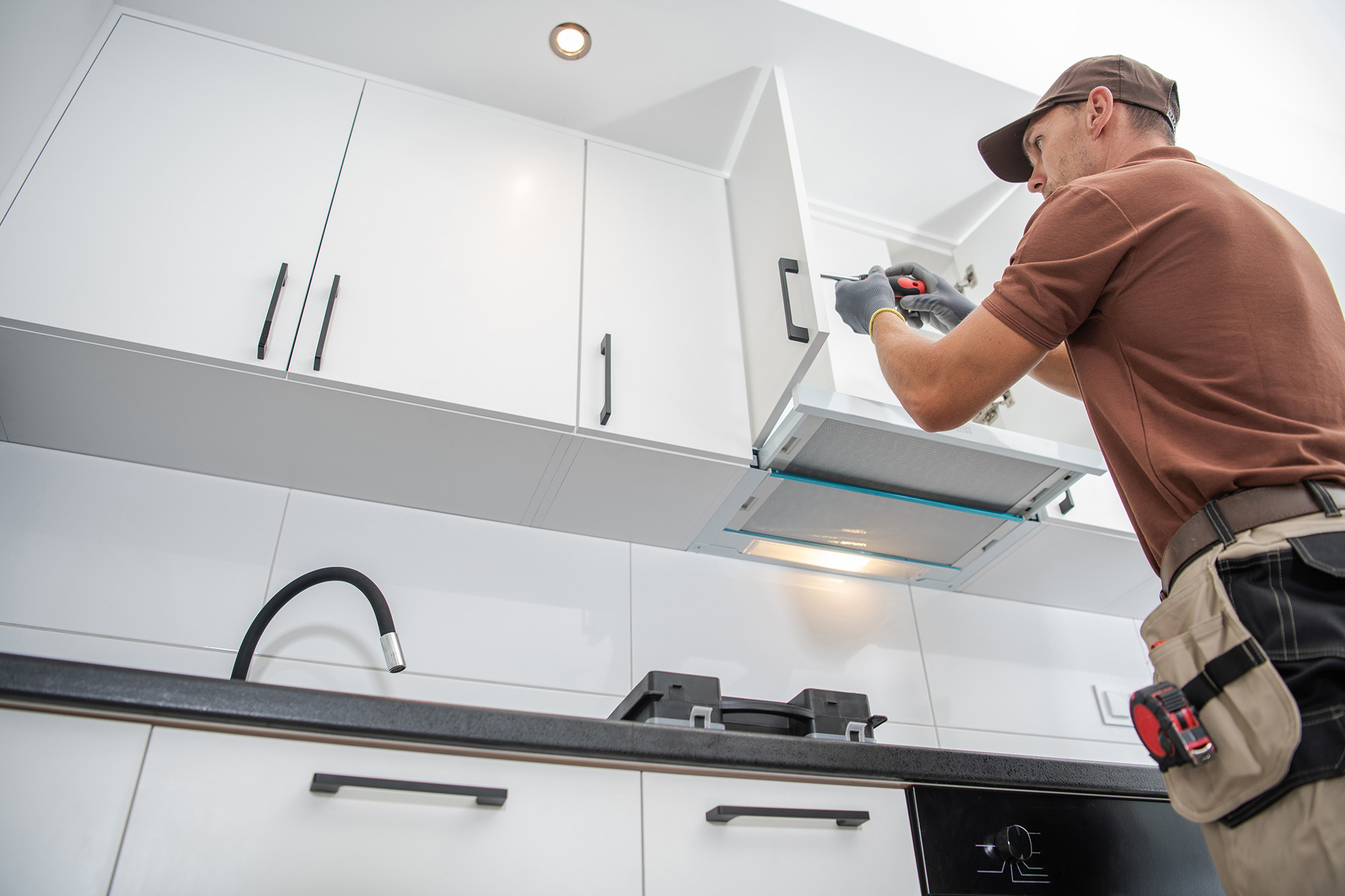
New cabinets feel perfect on installation day. Every door closes with the same soft click, every drawer glides evenly, and everything lines up the way it was designed to. Then a few months pass, summer humidity sets in, and homeowners start noticing a door that used to sit flush now has a slight gap, or a drawer that used to slide smoothly now catches a little. This is not a sign that anything went wrong with the installation. It is a normal part of how cabinetry settles into a Florida home, and it is exactly why a checkup around the six month mark matters more here than almost anywhere else in the country.
New Wood Is Still Adjusting to Its Environment
Even cabinet grade materials are not fully acclimated the moment they leave the factory. Wood, veneer, and even engineered panels continue adjusting to the specific humidity and temperature of the room they are installed in for the first several months, and Central Florida's indoor humidity swings between air conditioned winters and muggy, moisture heavy summers give that adjustment period a real workout. A door that fit perfectly in a dry October installation may shift slightly by the following July.
This is normal and expected, but it is not something that fixes itself without a little attention. Hinges that were adjusted for one set of conditions may need a small tweak once the cabinet has fully settled into its new environment. Catching that early, rather than living with a slightly off door for a year, keeps the hardware working the way it is supposed to and prevents small misalignments from turning into bigger wear points.
Hardware Needs a Second Look Before It Becomes a Habit to Ignore
Hinges, drawer slides, and soft close mechanisms are mechanical parts, and mechanical parts need occasional adjustment, especially in their first year. A hinge that is slightly loose at six months will only get looser if it is left alone, and a drawer slide that drags slightly will wear unevenly if the homeowner just gets used to forcing it a little harder each time. None of this requires a major service call. It usually takes a few minutes with a screwdriver.
The six month mark is a useful checkpoint because it gives the cabinets enough time to fully acclimate without letting a developing issue sit unaddressed for a full year. Homeowners who build this into their routine, the same way they might change an air filter or check smoke detector batteries, tend to get noticeably longer life out of their hardware compared to those who only address a problem once it becomes obviously annoying.
What a Six Month Check Actually Involves
This is not a complicated process, and most of it can be done by the homeowner in an afternoon. The goal is simply to catch small shifts before they compound.
A basic check should cover:
Testing every door and drawer for smooth, even movement
Looking for gaps or misalignment that were not there at installation
Tightening any hinge or slide screws that feel loose
Checking cabinet edges near the sink and dishwasher for early signs of moisture absorption
If everything still feels tight and even, you are in good shape and the same check again at the one year mark is plenty. If something has shifted, a small adjustment now is a much smaller job than waiting until the misalignment has worn into the wood or hardware permanently.
Why This Matters More With Certain Materials Than Others
Cabinet grade plywood tends to hold its shape well through this adjustment period, which is part of why it performs so consistently in Florida kitchens over the long run. Lower grade particleboard construction moves more during this same window, and the six month check becomes even more valuable as a way to catch issues early rather than letting them accumulate. This is one of the reasons material choice matters as much as installation quality when it comes to how a kitchen holds up over the years.
Homeowners who invested in higher quality boxes and finishes at installation are protecting that investment by staying on top of these small adjustments. It is a much smaller commitment than most people expect, and it pays off in cabinets that still feel tight and well fitted five and ten years down the road instead of showing their age within the first two.
We do not disappear once the install crew packs up. For every kitchen and bathroom we complete across all of Central Florida, including Winter Park, Maitland, Lake Mary, Heathrow, Oviedo, Longwood, Altamonte, Winter Springs, and the surrounding areas of Seminole and Orange County, we are happy to walk homeowners through exactly what to check at the six month mark and answer questions about anything that feels different from installation day. If something needs adjusting and you would rather have a professional handle it, we can schedule a quick service visit rather than letting a small issue sit.
If your cabinets are approaching that six month window, take a few minutes to run through the checklist above, and reach out if anything feels off. A five minute conversation now is a lot easier than a bigger repair later.
Based in Winter Park, FL, General American Services has proudly served Central Florida homeowners for over 20 years, including Winter Park, Maitland, Lake Mary, Heathrow, Oviedo, Longwood, Altamonte, and Winter Springs. Visit us at Central, FL or contact us with any questions about your cabinets. Learn more about our cabinet installation services and let us help your investment last.