

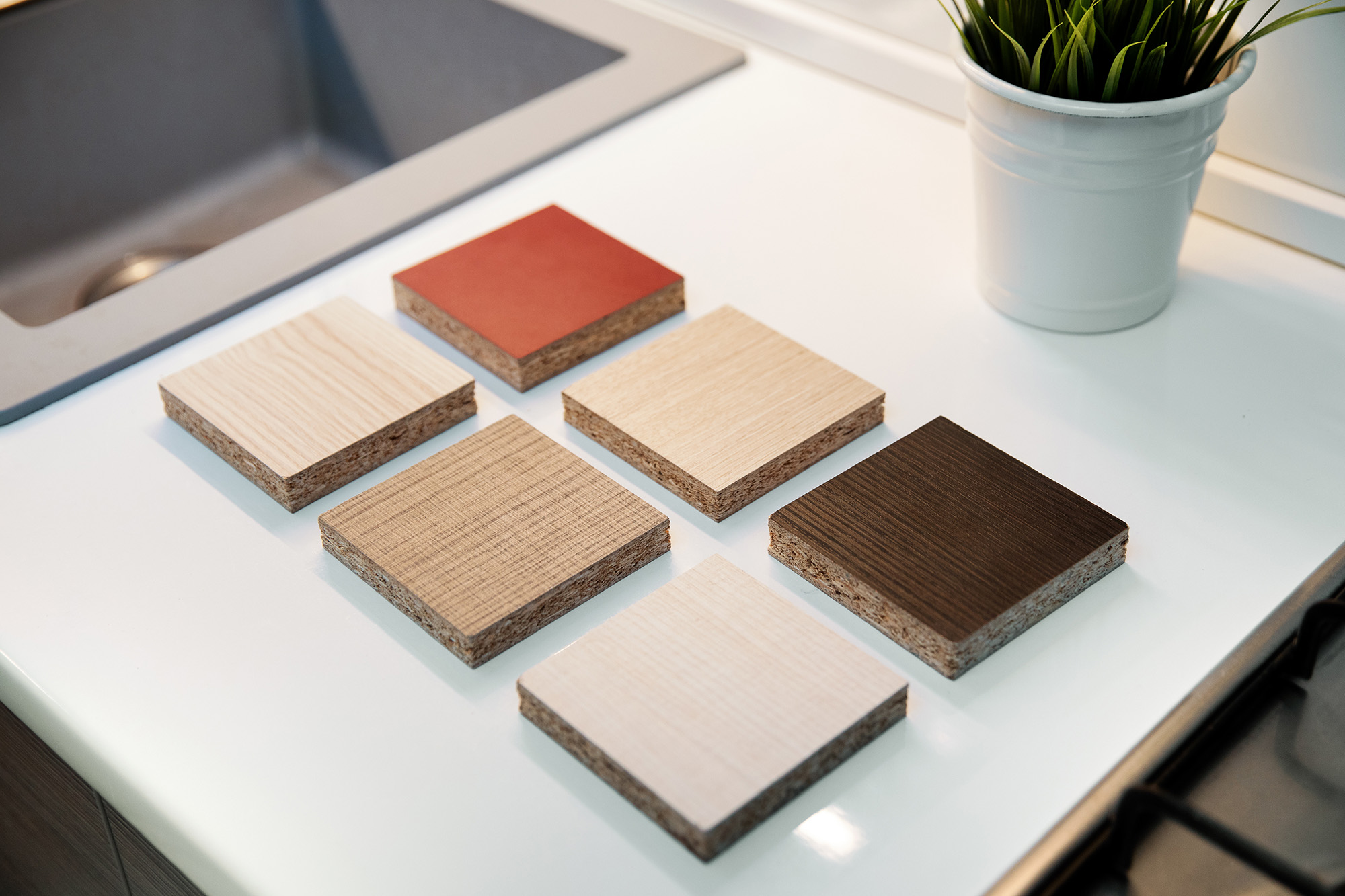
A single cracked tile, a section of grout that failed, or a small area of damage in an otherwise fine older bathroom leads a lot of homeowners to the same instinct. Just find a matching tile and patch the one spot. It is a completely reasonable first thought, and it is also one of the more consistently frustrating projects in home remodeling, for reasons that have nothing to do with how hard someone is willing to look.
Tile Manufacturing Changes Constantly, Even Within the Same Product Line
Tile is manufactured in batches, called dye lots or production runs, and even tile from the exact same manufacturer and the exact same named color can shift subtly from one production run to the next. Raw material sourcing changes, kiln temperatures vary slightly, and manufacturing processes get updated over the years, all of which affect the final color and texture in ways that are often invisible until two tiles are placed directly next to each other.
This means that even if you found the original box of tile from your home's construction sitting in a warehouse somewhere, and even if the label said the exact same product name and color, there is a real chance it still would not match perfectly. Multiply that uncertainty by the years or decades since an older bathroom was originally tiled, and the odds of finding a true match from any current supplier drop even further, simply because that specific run of tile likely is not being produced anymore at all.
Fading and Wear Move the Target You Are Trying to Hit
This is the part that catches almost everyone off guard. Even if a perfect match to the original tile somehow existed on a shelf somewhere today, it still would not match your bathroom, because your existing tile has spent years being cleaned, exposed to light, and subjected to normal wear that has subtly shifted its color and sheen from what it looked like on installation day. A brand new tile placed next to tile that has aged for fifteen or twenty years creates a visible seam, not because the new tile is wrong, but because the old tile has changed in ways that are gradual enough to go unnoticed day to day but obvious the moment something newer sits right beside it.
This is simply how materials age, and it is not something any amount of searching for the right product can solve. The target you are trying to match has quietly moved over the years the original tile has been in place, which is part of why even a technically successful match on paper can still look wrong once it is actually installed.
When a Patch Genuinely Works and When It Does Not
None of this means every small tile repair is doomed. In certain situations, particularly with simple, widely available patterns like plain white subway tile or basic neutral squares, a close enough match can blend reasonably well, especially in an area that gets less direct light or close inspection. The honest answer depends heavily on the specific tile, its age, its visibility in the room, and how much of a perfectionist you are about a small variation being noticeable.
Where a patch tends to fail is with anything that has a distinct pattern, a natural stone with unique veining, or a color that was even moderately trendy at the time it was installed, since trend driven colors and patterns are exactly the products most likely to be discontinued entirely. Being honest about which category your bathroom falls into before committing to a patch saves a lot of frustration partway through a project that turns out to be unsolvable the way it was originally planned.
Questions Worth Asking Before You Commit to Matching
A few honest questions upfront save time and disappointment later.
Ask whether the tile is still in production at all, not just whether the color name still exists
Bring a sample tile in person rather than relying on a photo, since screens shift color significantly
Ask to see the sample tile under the same lighting conditions as your bathroom, not just showroom lighting
Consider how visible the repaired area actually is in daily use before deciding how much effort a perfect match is worth
How General American Services Handles This Conversation Honestly
Across all of Central Florida, including Winter Park, Maitland, Lake Mary, Heathrow, Oviedo, Longwood, Altamonte, Winter Springs, and the surrounding areas of Seminole and Orange County, we will always try to source a match if that is genuinely what you want, and sometimes it works out better than expected. What we will not do is let you spend weeks chasing a discontinued tile from a decades old bathroom without being upfront about the odds, or the reality that even a strong match may still be visible next to aged, original tile. For a lot of older bathrooms in Winter Park, Maitland, and throughout Central Florida, a full retile ends up being a more predictable and often more satisfying outcome than trying to blend new work into old.
If you are staring at a damaged section of original tile and trying to decide whether to chase a match or start fresh, reach out and we will give you an honest read on your specific bathroom.
Based in Winter Park, FL, General American Services has proudly served Central Florida homeowners for over 20 years, including Winter Park, Maitland, Lake Mary, Heathrow, Oviedo, Longwood, Altamonte, and Winter Springs. Visit us at Central, FL or contact us to talk through your options. Learn more about our bathroom remodeling services and how we help homeowners make the right call on older bathrooms.


